Health and Safety Policy for Landscaping Putney
 Landscaping Putney services should be delivered with a clear commitment to health and safety at every stage of work. This policy sets out the standards expected on site, including planning, supervision, equipment use, and day-to-day conduct. Whether carrying out planting, turfing, pruning, hard landscaping, or maintenance, all activities must be managed to reduce risk to workers, clients, visitors, and the public. A safe working environment supports efficiency, quality, and professional results.
Our approach is based on identifying hazards before work begins and putting practical controls in place. This includes assessing the condition of the site, the nature of the task, the tools required, and any environmental factors that could affect safety. Garden landscaping often involves manual handling, cutting tools, power equipment, and uneven ground, so attention to detail is essential. All personnel are expected to work responsibly, follow agreed procedures, and stop work if conditions become unsafe.
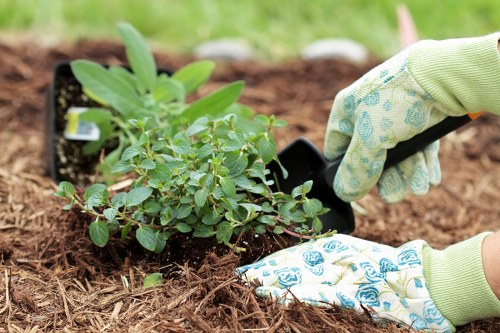 This policy applies to all employees, subcontractors, and temporary workers engaged in landscaping services Putney. Everyone on site has a duty to act in a way that protects themselves and others. Supervisors must ensure that work is properly organised, tasks are allocated according to competence, and any risks are communicated clearly. Safe practice is not optional; it is a fundamental part of professional landscaping operations.
Core Safety Responsibilities
Managers and team leaders are responsible for ensuring that risk assessments are carried out before work starts. These assessments should consider trip hazards, unstable surfaces, weather conditions, proximity to roads or neighbouring properties, use of machinery, and the presence of children, pets, or members of the public. Control measures may include barriers, signage, restricted access, safe working zones, and the use of suitable personal protective equipment. In all cases, safety measures must be proportionate to the task and reviewed when conditions change.
Landscaping safety also depends on selecting the correct equipment and keeping it in good working order. Tools and machinery should be inspected before use, maintained in line with manufacturer guidance, and removed from service if defective. Only trained and authorised individuals should operate powered equipment. Safe storage of tools, fuels, and chemicals is equally important, as poor storage can lead to spills, injuries, or fire risk. All equipment must be used only for its intended purpose.
 Manual handling is a common part of landscaping Putney work and must be managed carefully. Staff should be trained to lift, carry, and move materials safely, using mechanical assistance where possible. Heavy loads, awkward items, and repeated movements can cause strain or injury if rushed. Work planning should reduce unnecessary lifting and ensure that materials are delivered, stored, and moved in a safe and organised manner.
Working Methods and Site Controls
Good housekeeping is essential on every site. Waste, offcuts, loose materials, cords, and tools should not be left in walkways or work areas. Slips, trips, and falls are among the most common causes of injury, especially during garden landscaping services where surfaces may be wet, muddy, or uneven. Work areas should be kept tidy throughout the day, with regular checks to remove hazards promptly. Clear access routes should always be maintained for workers and emergency services if needed.
Plant, machinery, and hand tools must be used in accordance with training and site instructions. Protective measures may include gloves, eye protection, hearing protection, safety footwear, and high-visibility clothing, depending on the task. Teams should never bypass guards or use damaged equipment. When working with sharp tools, cutting machinery, or excavation equipment, extra care is required to avoid contact injuries and to prevent harm to others nearby. Communication between workers is vital, especially when several activities are taking place at once.
Environmental conditions can also affect safety. Wind, heat, rain, and poor ground conditions may increase the risk of incidents or reduce the effectiveness of some tasks. Supervisors should monitor conditions throughout the day and pause or adjust work where necessary. For example, pruning, tree work, and lifting heavy materials may need to be delayed in severe weather. A flexible but controlled approach helps maintain both safety and productivity.
Training, Incident Reporting, and Emergency Response
Training is a key part of this policy. All workers must receive instruction appropriate to their role, including safe tool use, manual handling, hazard awareness, emergency procedures, and the correct use of protective equipment. Refresher training should be provided when new equipment, processes, or risks are introduced. Professional landscaping depends on competence, and competence depends on regular training and supervision.
Any accident, injury, near miss, or unsafe condition must be reported immediately. Prompt reporting allows action to be taken to prevent recurrence and ensures that lessons are shared across the team. Records should be kept of incidents, inspections, maintenance, and corrective actions. Where serious harm is possible, work should stop until the issue has been properly addressed. A transparent reporting culture supports continual improvement and safer outcomes for everyone involved.
 Emergency arrangements must be understood before work begins. Staff should know how to respond to injuries, fire, chemical exposure, or other urgent situations. First aid supplies should be available, and at least one trained first aider should be identified where appropriate. Routes for evacuation or access by emergency services should remain clear. In a well-managed landscaping Putney operation, preparation for emergencies is treated as part of everyday planning rather than an afterthought.
Health, Welfare, and Policy Review
Health matters are as important as immediate safety concerns. Repetitive work, noise, vibration, dust, and exposure to sunlight or chemicals can all affect long-term wellbeing. Where relevant, controls should be introduced to reduce these risks, including task rotation, rest breaks, hydration, dust suppression, and suitable skin or eye protection. Teams should be encouraged to report any signs of fatigue, discomfort, or illness so that action can be taken early.
Welfare provisions should support safe work throughout the day. This includes access to drinking water, rest breaks, suitable facilities, and reasonable arrangements for changing weather. A healthy workforce is better able to work carefully and consistently, which reduces errors and incidents. The goal is to create conditions where safety is practical, understood, and embedded in daily routines.
 This policy will be reviewed regularly to ensure it remains effective and relevant to the work being carried out. Updates may be made following incidents, changes in working methods, new equipment, or revisions to best practice. Everyone involved in landscape maintenance and related activities is expected to support the policy and follow safe systems of work. By maintaining high standards, Landscaping Putney projects can be completed responsibly, professionally, and with respect for the wellbeing of all concerned.