Garden landscaping in Putney
If you are looking for garden landscaping in Putney, you are likely thinking about more than just planting a few shrubs or laying a patio. A well-planned outdoor space can change how your home or business feels day to day, adding structure, practicality, and a more enjoyable place to spend time. In Putney, where properties range from compact terraced gardens and mansion flats with shared outside areas to larger family gardens and commercial courtyards, the right landscaping approach needs to be thoughtful, space-aware, and suited to local conditions.
Putney has a very particular character. It combines riverside living, busy residential streets, period homes, modern developments, and a steady flow of homes that need outdoor spaces to work harder. That means landscaping projects here often need to solve real problems: awkward access, limited storage, privacy concerns, shaded spaces, drainage issues, and the need for low-maintenance finishes that still look attractive all year. A local team that understands these pressures can help you make better choices from the start.
Whether you are improving a small courtyard, redesigning a family garden, refreshing a tired front garden, or updating outdoor areas for a commercial property, the aim is the same: create a space that suits how you live or work. Good garden landscaping brings together layout, materials, planting, and practical features in a way that feels natural and durable. If you are considering a project in SW15, this page explains what is involved, what you can expect, and why local knowledge matters.
Why landscaping matters in Putney homes and businesses
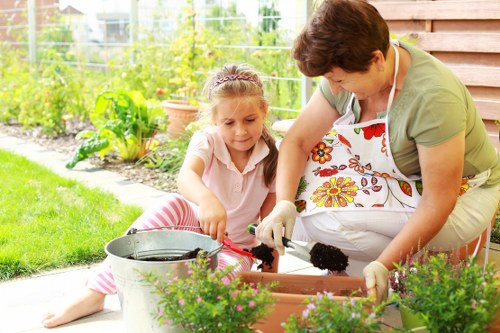
Outdoor space in Putney is often valuable but underused. A narrow garden may feel more like a corridor than a place to relax. A shaded plot near mature trees can become muddy in winter. A front garden may be visually neat but not very usable. Thoughtful landscaping helps turn these challenges into strengths by improving flow, defining zones, and introducing materials and planting that make the space feel intentional rather than leftover.
For homeowners, this can mean a more usable terrace for summer dining, a child-friendly lawn, a neat planting scheme that brings colour without demanding constant upkeep, or a secluded corner to escape to after a busy day. For businesses, it may mean smart frontage planting, durable surfaces, cleaner access routes, and outdoor areas that create a better first impression for staff, clients, or visitors. In a place like Putney, where appearance and practicality both matter, landscaping should be designed to do both jobs well.
Another reason landscaping is so important locally is the mix of property styles. A Victorian home with a long rear garden will need a different approach from a flat with limited ground-level access or a modern townhouse with a compact patio. Materials, drainage, privacy, and planting all need to reflect the setting. That is why local garden landscaping is never a one-size-fits-all service. It should be tailored to your plot, your budget, and how you want to use the space.
What garden landscaping can include
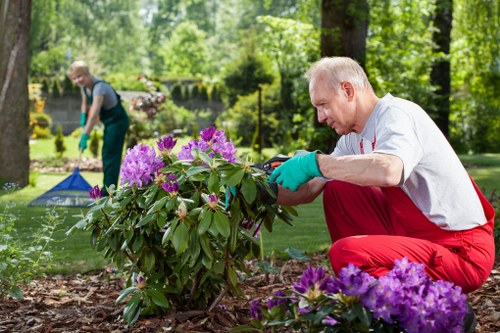
Garden landscaping covers a wide range of services, from simple improvements to full transformations. Many people think first about paving or planting, but a good project usually begins with the overall layout. The objective is to make the garden feel balanced, accessible, and suited to everyday use. Depending on your space, the service may include hard landscaping, soft landscaping, structural features, and finishing touches that tie everything together.
Common landscaping elements include:
- Garden design and layout planning
- Patios, paths, and seating areas
- Decking and timber features
- Raised beds and planters
- Turfing and lawn creation
- Planting schemes with seasonal interest
- Fencing, trellis, and screening
- Drainage improvements
- Gravel, decorative stone, and edging
- Lighting and practical outdoor enhancements
In Putney, many customers choose a mixture of hard and soft landscaping because they want outdoor spaces that are attractive but also manageable. A carefully placed patio can create a usable dining area, while layered planting can soften walls and fences. Low-maintenance materials may be ideal for busy families, rental properties, or homeowners who want their outdoor area to look good without requiring constant upkeep.
Local knowledge makes a real difference
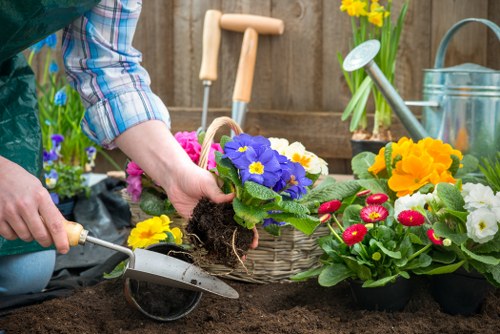
Putney’s mix of residential streets and commercial premises means access is often a major practical issue. Narrow side passages, shared entrances, limited parking, and tight front gardens can all affect how landscaping work is carried out. A local company used to working in the area will plan around these realities from the beginning, which helps reduce disruption and makes the project run more smoothly.
Local knowledge also helps when choosing materials and planting. Some gardens in Putney benefit from more shade-tolerant planting because of neighbouring buildings or mature trees. Others may need better drainage due to soil conditions or heavy foot traffic. Riverside locations can face different moisture and exposure conditions compared with more enclosed streets. A landscaping team that understands these local variations can suggest practical options rather than generic solutions.
There is also the matter of style. Putney customers often want outdoor spaces that feel in keeping with the character of the property. That may mean understated, elegant finishes for period homes, crisp and modern layouts for new-build properties, or durable, low-maintenance finishes for rental and commercial use. Garden landscaping in Putney works best when the design respects both the property and the way the area is lived in.
Popular landscaping requests in Putney
Every garden is different, but certain requests come up regularly from local customers. Many people want to make the most of limited space, improve the look of tired surfaces, or make the garden easier to manage throughout the year. Others are planning a complete redesign after moving home, extending the house, or preparing a property for letting or sale.
Here are some of the most common project types:
- Small garden redesigns for terraces and compact plots
- Family garden improvements with lawns, play space, and seating
- Courtyard landscaping for low-maintenance outdoor living
- Front garden upgrades to improve kerb appeal
- Riverside-style planting schemes that handle exposure and texture well
- Commercial landscaping for offices, hospitality settings, and shared outdoor spaces
- Privacy screening using fencing, planting, or trellis structures
- Drainage and levelling work to make gardens more usable
Many customers also ask for phased work rather than one large overhaul. That can be a sensible approach if you want to spread out the project or focus on the most urgent improvements first. For example, a homeowner may begin with drainage and surfacing, then add planting and lighting later. A local landscaping team should be able to discuss these options in a practical way and help you decide what will have the biggest impact first.
How the service usually works
From first conversation to finished garden
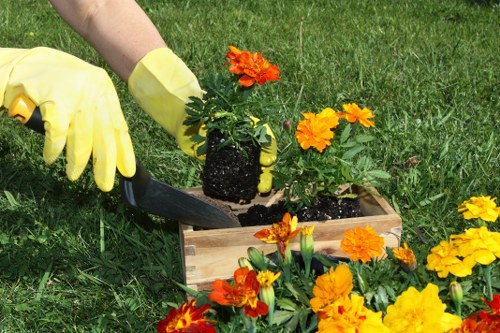
A good landscaping project starts with understanding the space and how you want to use it. The first stage is usually a site visit or consultation, where measurements, access points, existing features, and any challenges are reviewed. This is the point where you can explain what you want to change, what you like or dislike about the current garden, and whether the priority is appearance, maintenance, usability, or all three.
After that, the layout is usually discussed in more detail. Some projects need full design input, while others are more straightforward and involve recommendations for materials, planting, and structure. In Putney, where outdoor spaces can be compact and access can be tricky, it is especially useful to plan the sequence of works carefully. This helps avoid wasted time and reduces disruption to neighbours or other occupants.
The build stage may include clearing existing features, preparing the ground, installing hard landscaping, improving drainage, laying turf or artificial grass if appropriate, and finishing with planting or decorative details. The exact process depends on the size of the job. A well-managed project should be clear about what is being done, when, and why. At the end, the space should feel cohesive and ready to use, rather than a collection of separate elements.
What is included in a typical landscaping project?
Although every project is different, many customers want to know what is normally included when they book garden landscaping. The answer depends on the brief, but most local jobs involve a mix of planning, preparation, construction, and finishing. The scope can be tailored to suit a small refresh or a full redesign.
A typical service may include:
- Initial assessment of the garden or outdoor space
- Discussion of style, use, and practical requirements
- Removal of unwanted existing features if needed
- Ground preparation and levelling
- Construction of patios, borders, paths, or retaining structures
- Installation of edging, fencing, screens, or planters
- Soil improvement, turfing, or planting
- Final tidy-up and handover
Some customers also request extra features such as outdoor lighting, stepping stones, pergolas, or bespoke seating areas. These can add comfort and make the garden more usable in the evening or across different seasons. If you are not sure what would work best, it helps to talk through the day-to-day use of the garden rather than focusing only on appearance. A practical solution usually gives better long-term value.
Design ideas that work well in Putney
Putney gardens benefit from designs that are stylish without being overcomplicated. Because many properties have limited space or need to accommodate family life, the best landscaping solutions are often clean, functional, and easy to maintain. A smart layout can make a modest garden feel much larger and more inviting.
Some ideas that often work well locally include multi-level terraces, built-in planters, discrete storage, and layered planting that gives depth without overcrowding the space. In smaller gardens, using consistent paving materials and simple lines can help create a sense of calm. In larger gardens, zones can be introduced for dining, relaxing, playing, or planting, allowing the space to serve multiple purposes.
Useful design priorities for local gardens:
- Make the most of light and shade
- Keep circulation clear and practical
- Use materials that suit the property style
- Choose planting that offers interest across seasons
- Allow for privacy without making the garden feel enclosed
- Balance beauty with maintenance needs
Small gardens
In compact Putney gardens, less can often mean more. A simple scheme with well-chosen materials, slim borders, and a clear focal point can create a stronger result than trying to squeeze in too many features. Reflective surfaces, lighter paving, and vertical planting can all help a small outdoor space feel more open.
Family gardens
Where children, pets, or frequent entertaining are part of everyday life, durability matters. Smooth paths, sturdy lawns, and planting that does not require constant attention can make the garden more enjoyable for everyone. Good landscaping can also make it easier to supervise children and move between indoor and outdoor spaces.
Courtyards and paved spaces
Courtyards often need a softer touch to avoid feeling stark. Raised planters, container planting, timber details, and careful lighting can transform these spaces into something warmer and more welcoming. Even a small footprint can feel generous when the layout is well planned.
Materials and planting choices
Choosing finishes that suit the site
The best materials are the ones that suit both the garden and the way you live. In Putney, where homes can vary widely in age, style, and outdoor conditions, there is no single right answer. Some customers prefer a natural look with timber and planting, while others want contemporary paving, crisp edging, and a more architectural feel. What matters most is that the materials are durable, appropriate, and well installed.
For hard landscaping, choices may include natural stone, porcelain paving, concrete products, gravel, brick edging, timber decking, or composite alternatives. Each option has its own strengths. Natural stone can feel timeless and characterful, while porcelain can offer a neat, low-maintenance finish. Timber can bring warmth, but it needs the right design and upkeep. Gravel is often useful for drainage, side returns, and informal areas.
Planting should be selected for both appearance and practicality. Some gardens need year-round structure with evergreen shrubs and architectural grasses. Others benefit from seasonal colour, pollinator-friendly planting, or climbers that soften walls and fences. In shaded or wind-exposed plots, the right plant selection becomes especially important. A good landscaping approach will always consider how planting will mature over time, not just how it looks on the day it is installed.
Preparing for your landscaping project
Before work begins, a little preparation can help things go more smoothly. This does not mean you need to do the landscaping yourself; it simply means clearing the way so the team can work efficiently. In urban areas like Putney, where access may be shared or limited, this can save time and reduce hassle.
Helpful preparation steps include:
- Remove personal items, pots, or furniture from the work area if possible
- Let neighbours know if there may be temporary access or noise disruption
- Identify any plants or features you want to keep
- Check where materials can be delivered and stored safely
- Share details of gates, side access, or parking restrictions
- Make a note of any drainage issues, damp areas, or uneven ground
If you live in a flat or a property with shared outdoor access, it is worth discussing practical arrangements early. The same applies to commercial premises, where work may need to be scheduled around business hours or customer access. A local team that knows Putney well should be able to factor these details into the plan.
Pricing factors and what affects the cost
Customers often want a clear idea of cost before moving forward, and that is understandable. While exact pricing depends on the specific project, there are several factors that usually influence the overall budget. These include the size of the area, the complexity of the layout, the materials chosen, site access, ground conditions, and whether existing features need to be removed first.
For example, a simple planting refresh in a small front garden will usually involve less work than a full redesign with drainage, paving, raised beds, and structural screening. Likewise, properties with difficult access or restricted parking can take more time to deliver materials and complete the work, which may affect labour planning. On the other hand, a straightforward open garden with clear access may be easier to complete efficiently.
It is also worth remembering that durable design can be a better value over time than choosing the cheapest option upfront. A well-installed patio, properly prepared borders, and the right planting scheme can reduce future maintenance and avoid the need for frequent repairs or replacements. When requesting a quote, it helps to be clear about your priorities so the proposal reflects what matters most to you.
Why choose a local landscaping company in Putney?
Working with a local team offers several practical advantages. They are more likely to understand the area’s property types, access issues, and typical garden challenges. They may also be better positioned to advise on materials and planting choices that suit the local environment. For many customers, this makes the whole process easier from the first enquiry through to completion.
A local company can also be more responsive when it comes to site visits, planning, and follow-up. That matters when you are trying to coordinate work around busy family schedules, tenants, building projects, or business operations. In Putney, where properties can be tucked away behind shared entrances or set on narrow roads, local experience can save time and avoid unnecessary complications.
Reasons customers often prefer a local service:
- Better understanding of Putney properties and garden layouts
- Practical awareness of parking and access constraints
- Knowledge of local styles and common landscaping needs
- More convenient communication and scheduling
- Suitable solutions for homes, flats, and commercial spaces
Areas covered around Putney
Landscaping services in Putney often extend across nearby parts of southwest London, especially where gardens share similar property types and access conditions. This can include surrounding residential streets, riverside areas, and neighbouring communities with a mix of family houses, flats, and commercial premises. If your property is nearby but not directly in the centre of Putney, it is still worth asking whether the service area includes your location.
Customers commonly come from the wider SW15 area and nearby neighbourhoods such as Roehampton, Wandsworth, and parts of Barnes, East Sheen, and Southfields. The exact coverage may vary depending on the type of work, but local projects often have similar requirements: neat presentation, efficient access, and durable finishes that hold up well in busy urban surroundings.
FAQs about garden landscaping in Putney
How long does a landscaping project take?
Timeframes vary depending on the size and complexity of the work. A small refresh may take only a short period, while a full redesign with structural changes will naturally take longer. Access, weather, and material availability can also affect the schedule.
Can you help with small gardens?
Yes. Small gardens are often where landscaping makes the biggest difference. With the right layout, materials, and planting, even a compact Putney garden can feel more functional and inviting.
Do I need a full design before work starts?
Not always. Some customers arrive with a clear idea, while others need help shaping the brief. A practical consultation can often identify the most suitable approach without requiring a highly formal design process.
What if my garden has poor drainage?
Drainage issues are common and should be addressed early. Solutions may involve levelling, improving soil structure, introducing permeable surfaces, or adjusting the layout so water moves away more effectively.
Can landscaping improve privacy?
Yes. Screening, planting, trellis, fencing, and clever layout choices can all help a garden feel more private without making it feel closed in.
Is landscaping suitable for rental or commercial properties?
Absolutely. In fact, these properties often benefit from durable, easy-care solutions that look good and stay practical with minimal maintenance. A well-planned outdoor area can make a strong difference to the feel of a property.
What to think about before you request a quote
If you are ready to enquire, it helps to have a clear idea of what you want the garden to do. You do not need to know every detail, but a few pointers make the conversation more useful. Think about how you use the space now, what problems you want solved, and what would make the biggest improvement to daily life.
Before you request a quote, consider:
- Your budget range or preferred level of investment
- Whether you want a full redesign or targeted improvements
- Any existing features you want to keep
- Maintenance level you are comfortable with
- How the garden should be used in summer and winter
- Any access or scheduling issues the team should know about
A clear brief helps the landscaper recommend options that suit your needs rather than suggesting unnecessary extras. It also makes it easier to compare proposals if you are speaking to more than one local company.
Turning outdoor space into something you actually use
Great landscaping is not just about making a garden look neat. It is about creating a space that supports your everyday routine. That might mean a calm place for morning coffee, a secure area for children, a tidy front garden that feels welcoming, or a smart commercial outdoor area that reflects well on your premises. When the design is right, the garden becomes part of how the property works, not just something seen from the window.
For Putney customers, this often means balancing elegance with practicality. You may want a stylish finish, but you also need something that works with local conditions, shared spaces, and the realities of urban living. The most successful projects are those that keep the end use in mind at every stage, from layout and materials through to planting and finishing details.
If you are planning an improvement, now is a good time to explore your options. Contact us today to discuss your ideas, request a free quote, or book your service now if you are ready to move forward with garden landscaping in Putney. A well-planned outdoor space can make a lasting difference to your property and to how you enjoy it every day.